
Roofing safety
Roofing Safety on Hot Days: How a Professional Crew Manages Heat
Heat changes how people, materials, and tools behave on a roof. Here is what a safe summer roofing plan should include.

These guides cover the details homeowners in the Pacific Northwest encounter most often: moisture, shade, wind, debris, ventilation, materials, and project planning.
Start with the question that matches your home, then contact us if you need an evaluation.
10 original guides
Heat changes how people, materials, and tools behave on a roof. Here is what a safe summer roofing plan should include.
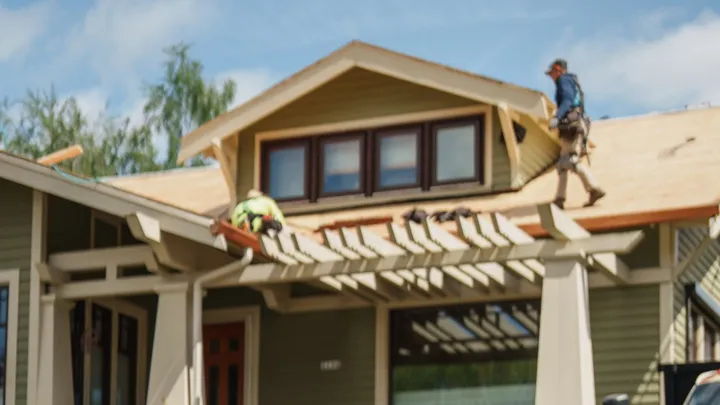
Heat damage is gradual. These are the visible roof and attic clues worth checking before the next wet season.

Mold-like attic growth is a symptom. A useful plan identifies whether the source is ventilation, indoor moisture, or a roof leak.

Spring gives homeowners time to understand winter damage, compare scopes, and plan before a small roof problem becomes urgent.

The best contractor conversation answers what is happening, what work is needed, and how the home will be protected.

A roof budget is a plan for making a sound decision—not a guess at one universal replacement price.
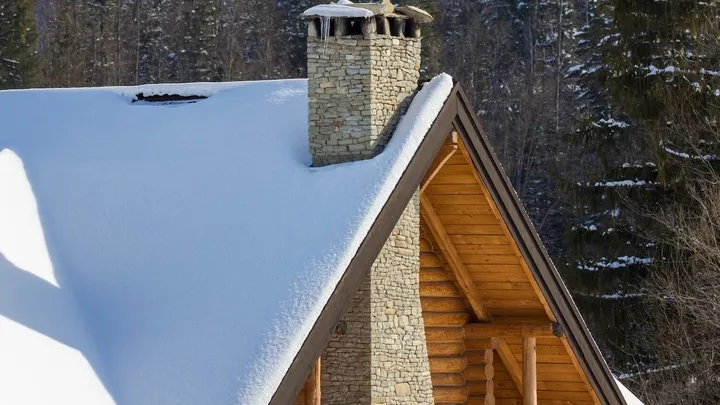
Winter preparation is mostly about keeping water moving, details sealed, and the attic dry through changing weather.

A short autumn inspection can reveal drainage problems and small roof failures before months of wet weather.

Wood shake and designer shingles create different ownership experiences. Compare maintenance, repairability, fire considerations, and installation.

Fall problems are often ordinary maintenance issues that become expensive when the rain arrives. Check these five first.
Articles can help you prepare. A local evaluation helps you decide what your roof needs now.