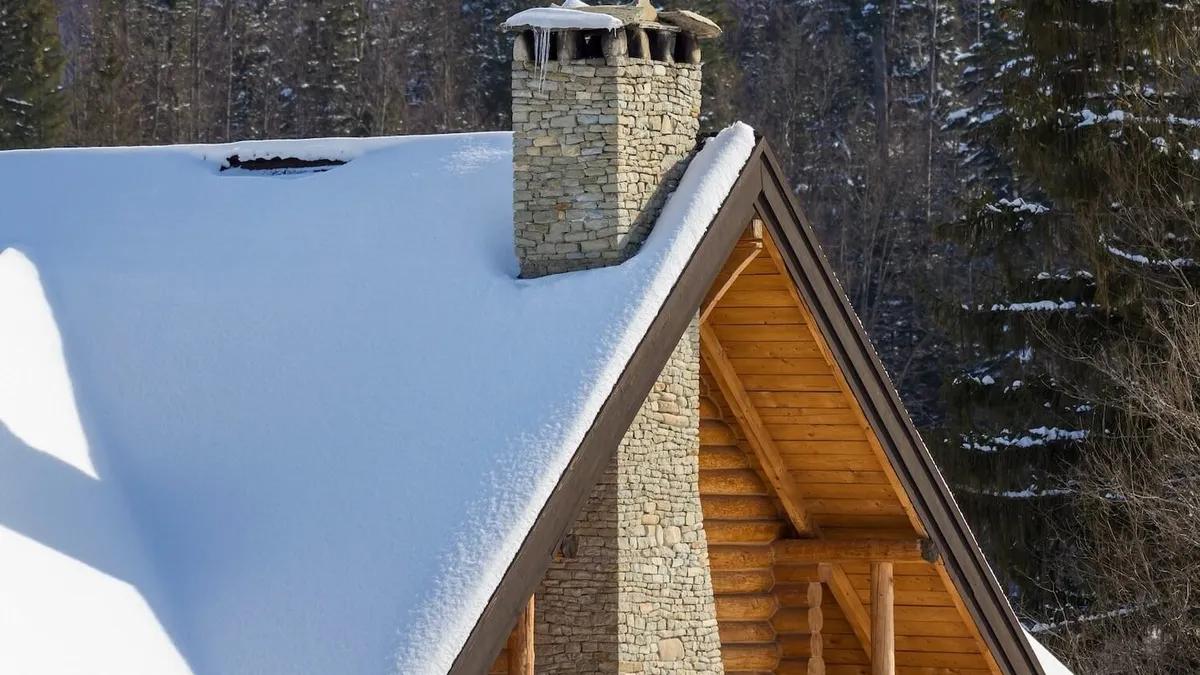
Winter roof preparation in the Pacific Northwest is less about snow removal and more about keeping water moving, details sealed, and the attic dry. Rain, wind, freezing temperatures, and short daylight hours expose weaknesses that may have been easy to ignore during summer.
Start with a ground-level inspection
Use binoculars from a safe position to look for missing or lifted shingles, damaged flashing, sagging gutters, blocked valleys, and branches that touch the roof. Check the attic only if access is safe, and look for stains, damp insulation, or condensation on the underside of the roof deck.
Do not climb a wet, icy, or moss-covered roof. A winter inspection that causes a fall is not maintenance.
Keep the drainage path open
Leaves and needles can collect in valleys and gutters just as the rainy season begins. Blocked drainage lets water back up against roof edges, fascia, siding, and foundations. Clear debris before the first major sequence of storms and check that downspouts discharge away from the home.
- Remove debris from gutters and valley areas without damaging shingles.
- Confirm downspouts are connected and extensions are stable.
- Trim branches that can scrape the roof or fall during wind.
- Look for overflowing marks on fascia or soil erosion below outlets.
Understand ice dam risk
Ice dams are more common where snow accumulates and roof temperatures vary, but freeze-thaw conditions can still create localized problems. Warm air leaking into the attic, uneven insulation, blocked ventilation, and heat escaping through the roof can contribute to melting and refreezing at cold edges.
Ventilation alone is not a guaranteed cure. A professional should look at insulation, air sealing, intake, exhaust, and the roof’s edge details together.
Check flashing before the weather turns
Flashing around chimneys, skylights, walls, and pipe boots is often where water finds a path into the home. Sealants dry out, metal can shift, and old repairs can separate. If you see a stain below one of these areas, treat it as a clue rather than waiting for the next downpour.
Prepare for the season you actually have
Not every Oregon and Washington home has the same winter exposure. Tree cover, elevation, roof pitch, wind direction, and the home’s drainage all change the maintenance plan. A short evaluation can identify the details that matter instead of sending you through a generic winter checklist.
If your roof has an active leak, move belongings away from the area, contain the drip if you can do so safely, and call for professional help. Early action protects the interior while the exterior repair is being planned.